

Summary
Cancer treatments like chemotherapy and surgery often have distressing side effects, causing pain and emotional distress. Palliative care professionals work closely with oncologists to manage these side effects effectively. They address pain, fatigue, nausea, and anxiety, helping patients better tolerate treatment and focus on healing.
When cancer strikes, it brings immense challenges for patients and their families. Palliative care is a special kind of support that aims to ease these difficulties, focusing on enhancing the quality of life for cancer patients. In this blog, we will explore the significance of palliative care, the role of True Care Health Services, and the importance of hospice in providing compassionate end-of-life care.
Understanding Palliative Care
Palliative care is a unique approach to medical treatment that seeks to relieve the symptoms, pain, and stress caused by severe illnesses like cancer. It is not just for the end-of-life stage; it can start from the time of diagnosis to help patients cope with the challenges of living with cancer. The main goal of palliative care is to improve patients’ overall well-being.
Palliative Care and Cancer
Cancer treatments like chemotherapy and surgery often have distressing side effects, causing pain and emotional distress. Palliative care professionals work closely with oncologists to manage these side effects effectively. They address pain, fatigue, nausea, and anxiety, helping patients better tolerate treatment and focus on healing.
The True Care Approach
True Care Health Services adopts a patient-centric approach, tailoring care plans to meet the unique needs of each individual. Their team includes doctors, nurses, social workers, counselors, and specialists who work together to offer comprehensive support. True care ensures patients and families receive holistic care by addressing physical, emotional, and spiritual needs.
Empowering Patients and Families
The cancer journey can be overwhelming, and we believe in empowering patients to make informed decisions about their treatment and care. They encourage open communication, allowing patients to share their concerns and preferences while respecting their independence.
Palliative Care vs. Hospice: Understanding the Difference
These two kinds of care often need clarification, but they serve patients at different stages of their illness.
Palliative Care: This kind of support is symptom management while the patients still seek aggressive treatment for their illness.
Hospice Care: Hospice is provided when a patient is in the final stages of their illness, with a life expectancy of six months or less. It focuses on providing comfort and ensuring a peaceful, dignified end-of-life experience.
The Vital Role of Hospice Care
Hospice care plays a crucial role in supporting patients and their families during the final stages of cancer. True Care Health Services extends its palliative care expertise into hospice care, offering comprehensive services prioritizing compassion, comfort, and emotional support.
Comfort-Oriented Care
When curative treatments are no longer effective or preferred, hospice care becomes the main focus. Hospice teams prioritize pain management and symptom control, ensuring patients spend their remaining time comfortably and pain-free.
Emotional and Spiritual Support
Facing the end of life can be emotionally taxing for patients and their loved ones. Hospice care includes counseling and spiritual support to address these complex emotions, helping families find peace and acceptance.
Conclusion
Palliative care, alongside hospice services, plays a crucial role in the lives of cancer patients and their families. True Care Health Services exemplifies the commitment to compassionate and comprehensive care, providing support from diagnosis to end-of-life. By embracing palliative care and hospice services, we can ensure that cancer patients receive the care they deserve, living with dignity, comfort, and compassion.
Read More Caregiving Blogs
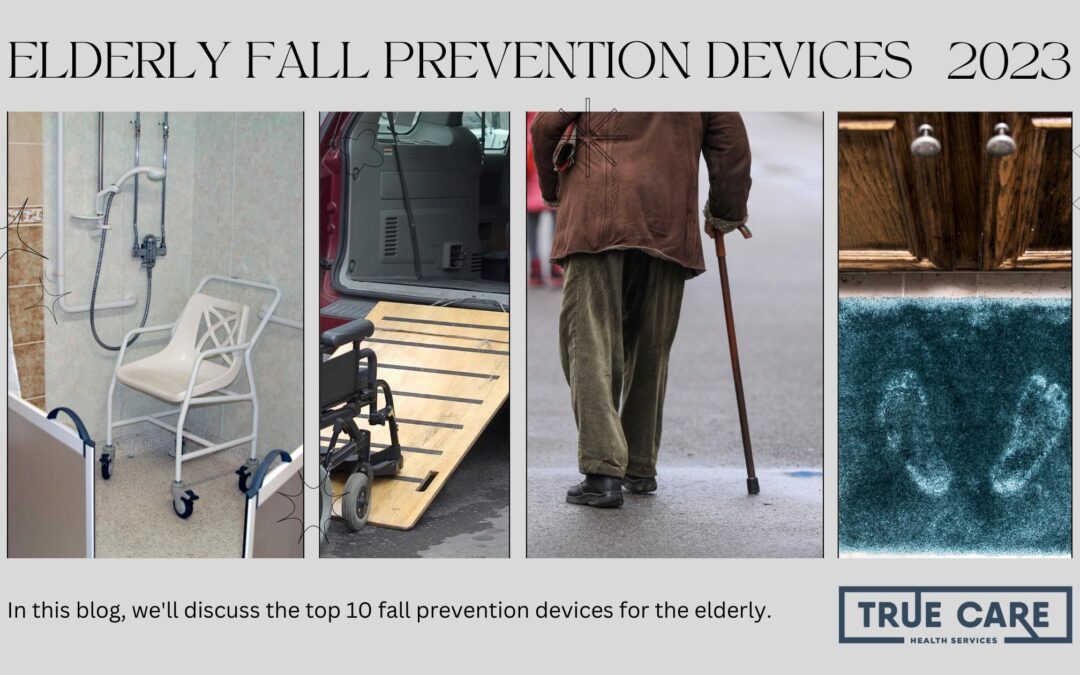
Elderly Fall Prevention Devices
Falls become a significant concern as we age due to decreased balance, vision, and mobility. Fortunately, numerous fall prevention devices are available that can improve the safety of older people. This blog’ll discuss the top 10 fall prevention devices for…
7 Tips – How to improve mental health in the Elderly
As people age, they may experience various physical, emotional, and mental health challenges that affect their well-being. Mental health issues are particularly common in the elderly, as many experience loneliness, isolation, and depression. It is essential to focus…
Caregiver vs Caretaker
When providing care for a loved one, it can be not easy to know where to turn for help. Two terms often used interchangeably are caretaker and caregiver, but these roles are quite different. In this blog, we will explore the differences…
Top Tips for Families Seeking Private Caregivers
When it comes to caring for an aging or disabled loved one, many families seeking private caregivers prefer the comfort and convenience of in-home care provided by a private caregiver. However, finding the right caregiver can be a daunting task. Families are looking for…
