
Summary
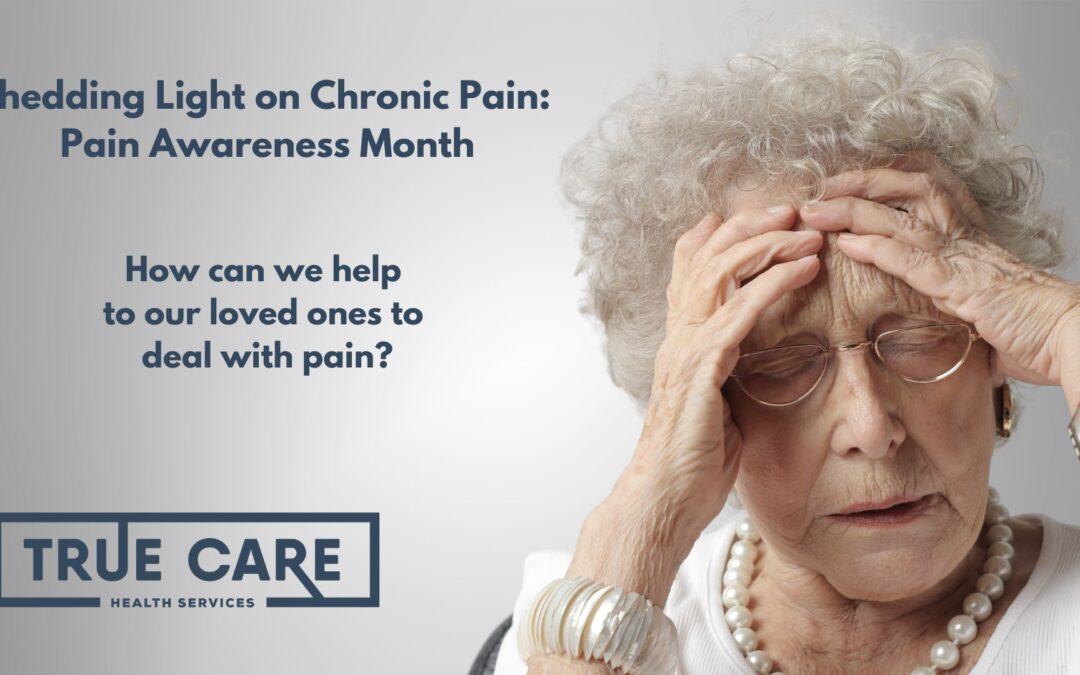
Every September, we focus on chronic pain, which affects many lives but often stays hidden away. This sneaky problem hits millions and ripples out to their families and communities, causing trouble beyond just hurting. Pain Awareness Month, every September shines a big spotlight on this issue. In this blog post, let's explore what Pain Awareness Month is all about, and we will dive into chronic pain and talk about how we can help and understand those living with it.
The Widespread Pain Problem
Chronic pain is a formidable enemy that affects about 20% of adults worldwide. It’s like a ninja, targeting folks of all ages, backgrounds, and walks of life. From fibromyalgia to arthritis, migraines to cancer, it doesn’t pick favorites and can strike anyone.
How Chronic Pain Affects Lives
Chronic pain isn’t just a sore back or a twinge in the knee. It’s like an uninvited guest that crashes every part of your life. Daily routines get thrown out the window, work becomes a struggle, and relationships are tested. Feeling pain all the time can lead to feeling down and anxious and can make life less enjoyable. Yet, even though it’s a big deal, people often don’t see it, or worse, they don’t believe it, especially if they haven’t gone through it themselves.
Why Pain Awareness Month Matters
Pain Awareness Month is more than just spreading the word; it’s about saying, “We hear you, and we get it.” Here’s why this month is a big deal:
- Breaking Down Stigmas: People with chronic pain often deal with doubt and suspicion from others. Pain Awareness Month helps fight this by showing that these invisible illnesses are real.
- Spreading Knowledge: It’s a chance to tell everyone about pain, what causes it, and what can be done about it. Knowing more helps us be more understanding and supportive.
- Speaking Up: Pain Awareness Month encourages folks to raise their voices for better pain care, more accessible access to help, and more research.
- Building a Support Network: Those with chronic pain can find comfort knowing they aren’t alone. Pain Awareness Month brings people together to share tips and encouragement.
Getting What Chronic Pain Is All About
To understand Pain Awareness Month, you need to know what chronic pain is:
- Chronic vs. Acute Pain: Chronic pain sticks around for a long time, often over three to six months. Acute pain, on the other hand, is usually temporary and pops up because of an injury or sickness.
- The Invisible Struggle: Chronic pain doesn’t come with a neon sign; it’s invisible. You can’t see it like a cut or a bruise, making people question whether it’s real.
- Personal Pain: Pain is emotional. What feels like a minor annoyance to one person can be pure torture to another. It’s crucial to respect that everyone’s pain is different.
How to Help Those with Chronic Pain
During Pain Awareness Month and all year round, you can do a lot to support people dealing with chronic pain:
- Listen and Acknowledge: Sometimes, all someone needs is for you to listen and say, “I hear you, and I believe you.” Don’t try to fix it; just be there.
- Get Informed: Spend some time learning about chronic pain conditions, what they do, and how they’re treated. Knowing more can help you be more understanding.
- Lend a Hand: Offer to help with everyday tasks that might be tough for someone in pain. Your help can make a big difference.
- Promote Self-Care: Encourage things like gentle exercise, relaxation techniques, or seeking professional help like physical therapy or counseling.
- Share the Word: Use social media and chat with friends and family about Pain Awareness Month. The more people know the more support we can drum up for those dealing with chronic pain.
- Pain relief is a civil right!
Conclusion
Pain Awareness Month reminds us that chronic pain is a widespread problem that deserves our care and understanding. Our nurses and healthcare professionals at True Care Health Services know the importance of pain treatment techniques, and we always offer a helping hand. Together, we can ensure no one suffers in silence with chronic pain.
READ MORE BLOGS FROM US

Caregiver vs Caretaker
When providing care for a loved one, it can be not easy to know where to turn for help. Two terms often used interchangeably are caretaker and caregiver, but these roles are quite different. In this blog, we will explore the differences…
Top Tips for Families Seeking Private Caregivers
When it comes to caring for an aging or disabled loved one, many families seeking private caregivers prefer the comfort and convenience of in-home care provided by a private caregiver. However, finding the right caregiver can be a daunting task. Families are looking for…
