

Benefits and Considerations
Home health services have revolutionized healthcare by providing personalized care in the comfort of one’s home. In this blog post, we will explore the circumstances where home health services can be beneficial, considering their advantages and essential factors to consider.
1. Chronic Conditions and Long-Term Care
Individuals with chronic conditions such as diabetes, heart disease, or respiratory disorders often require ongoing care. Home health services allow patients to receive regular medical attention, medication management, wound care, and symptom monitoring without frequent hospital visits, improving their quality of life and reducing hospital readmissions.
2. Post-Surgical Recovery
Home health services are vital to the smooth recovery process after surgery. Patients can receive wound care, physical therapy, medication administration, and rehabilitation exercises in the comfort of their own homes. This approach promotes a familiar environment, reduces infection risks, and provides personalized attention tailored to the patient’s needs.
3. Palliative Care Support
Home health services offer compassionate palliative care for individuals with life-limiting illnesses. Palliative care focuses on pain and symptom management, improving the patient’s quality of life, and providing emotional support. Receiving these services at home allows patients to remain surrounded by loved ones in a familiar setting, enhancing emotional well-being.
4. Elderly Care
Home health services cater to the unique needs of the elderly population, promoting independence and well-being. Services such as medication management, assistance with daily activities, mobility support, and enhancing seniors’ overall quality of life. Additionally, home health services provide peace of mind for family members who may not be able to be present at all times.
Considerations for Home Health Services
Before opting for home health services, it is important to consider the following factors:
- Medical Complexity: Assess the level of medical complexity to determine if home health services are sufficient or if a higher level of care, such as a nursing facility necessary.
- Caregiver Availability: A reliable and capable caregiver at home is crucial for effectively coordinating and supporting home health services.
- Home Environment: Evaluate the safety and accessibility of the home to ensure a suitable environment for providing healthcare services.
- Insurance Coverage: Understand insurance coverage and reimbursement options for home health services, as these can vary depending on the provider and the specific services required.
Who Can Provide Home Health Services?
Home health services are typically provided by licensed healthcare professionals, including:
- Registered Nurses (RNs): RNs play a vital role in providing skilled nursing care, including medication administration, wound care, and patient education.
- Licensed Practical Nurses (LPNs): LPNs assist with patient care, including monitoring vital signs, administering medications, and providing basic medical treatments.
- Physical Therapists (PTs) and Occupational Therapists (OTs): PTs and OTs help patients regain mobility, strength, and independence through therapeutic exercises and activities.
- Home Health Aides (HHAs): HHAs provide assistance with daily activities such as bathing, dressing, and eating, as well as monitoring vital signs.
Conclusion
Home health services have transformed healthcare delivery by offering personalized and compassionate care in the comfort of one’s home. True Care Health Services provides help and support in the greater Los Angeles area, Orange County and Sacramento. From chronic conditions to post-surgical recovery, palliative care, and elderly support, there are numerous situations where home health services can significantly benefit individuals and their families. By considering the advantages and essential factors, individuals can make informed decisions about whether home health services are the right choice for their needs. The ultimate goal is to provide the highest level of care and improve patients’ overall well-being.
Read More Caregiving Blogs
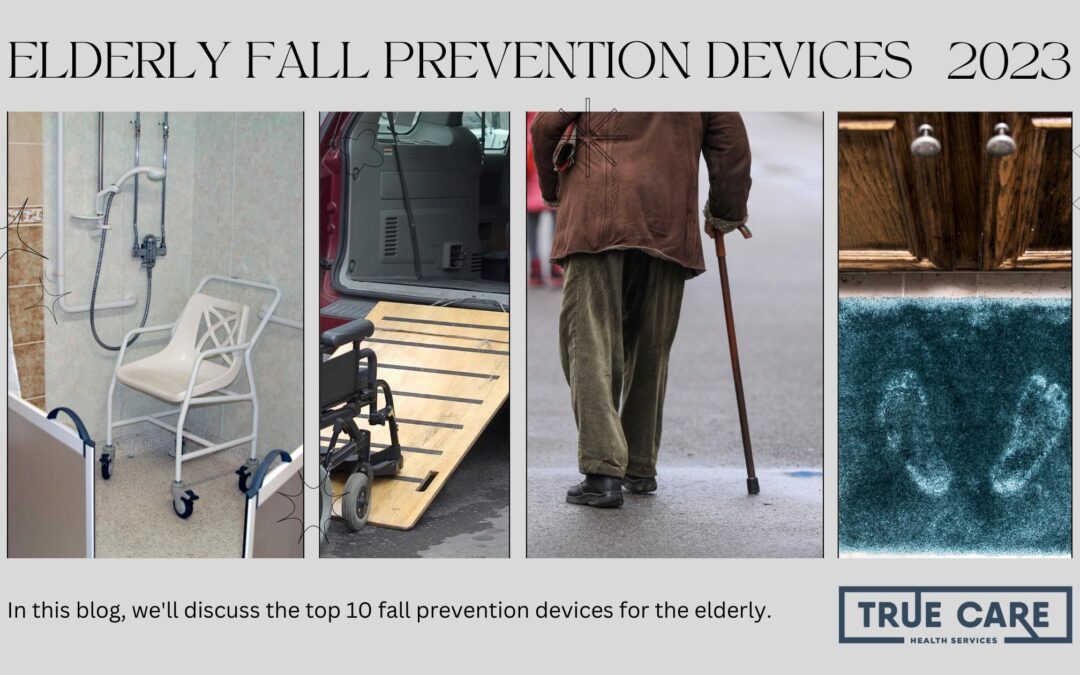
Elderly Fall Prevention Devices
As we age, falls become a major concern due to a decline in balance, vision, and mobility. Fortunately, there are numerous fall prevention devices available that can improve the safety of the elderly. In this blog, we’ll discuss the top 10 fall prevention devices for…
7 Tips – How to improve mental health in Elderly
As people age, they may experience various physical, emotional, and mental health challenges that affect their well-being. Mental health issues are particularly common in the elderly, as many experience loneliness, isolation, and depression. It is essential to focus…
Caregiver vs Caretaker
When it comes to providing care for a loved one, it can be difficult to know where to turn for help. Two terms that are often used interchangeably are caretaker and caregiver, but these two roles are quite different. In this blog, we will explore the differences…
Top Tips for Families Seeking Private Caregivers
When it comes to caring for an aging or disabled loved one, many families seeking private caregivers prefer the comfort and convenience of in-home care provided by a private caregiver. However, finding the right caregiver can be a daunting task. Families looking for…
